
Gua Sha Therapy in Lichfield for Muscle Pain and Tension
At Reinhabit Acupuncture, Gua Sha can be used as a standalone treatment and is sometimes used alongside acupuncture to help release stubborn muscular tightness and improve circulation in areas of pain or stiffness.
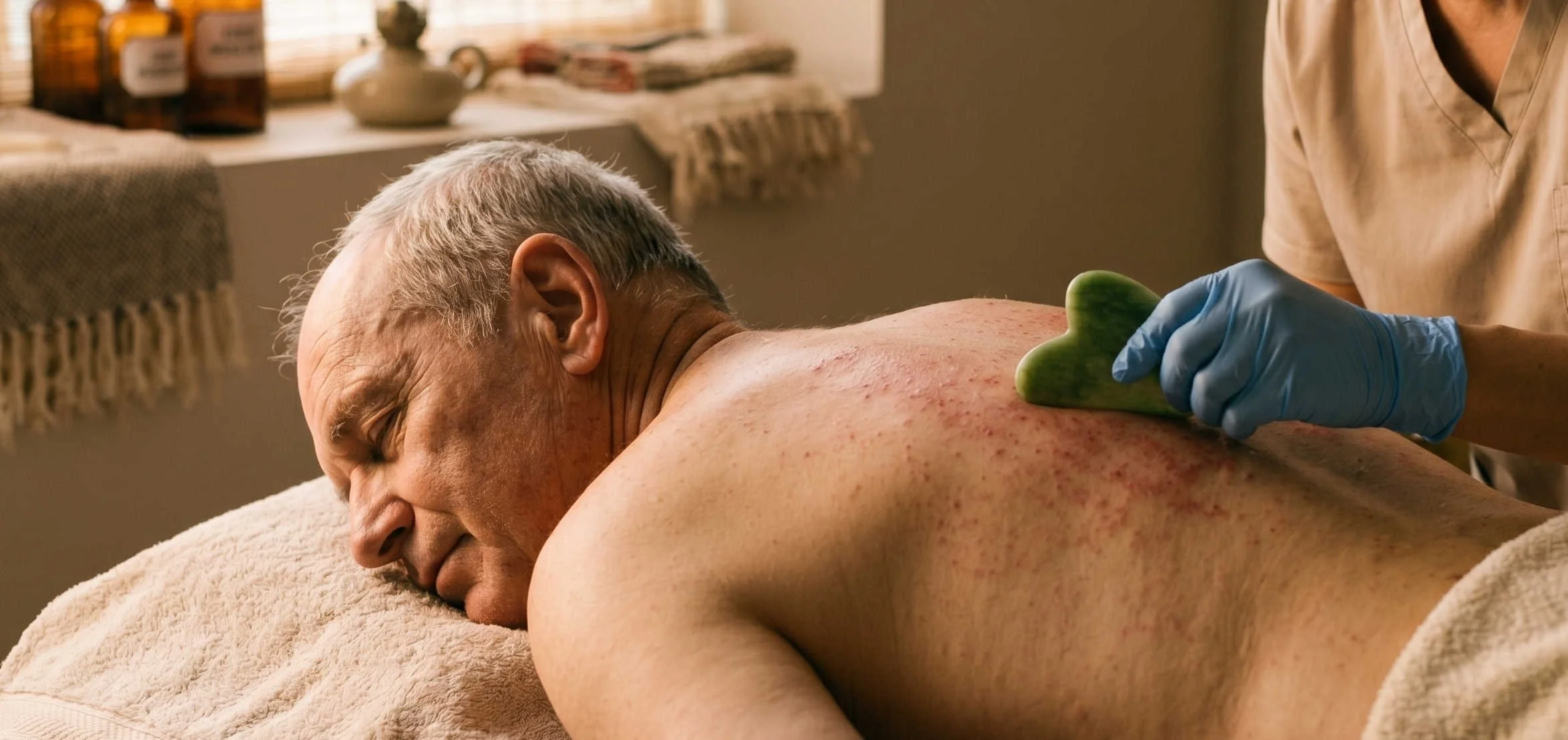
Gua Sha may help support people experiencing
Neck and shoulder tension
Back pain and muscular stiffness
Sports injuries and muscle fatigue
Headaches and tension headaches
Restricted movement in tight muscles
Areas of chronic muscular pain
How Gua Sha Works
Gua Sha involves using a smooth-edged tool to gently scrape the skin over tight or painful muscles. This technique helps increase circulation, release tension in the soft tissues and encourage the body’s natural healing response.
It is often used when muscles feel particularly tight or when pain has become stubborn or long-standing.
What to Expect During Treatment
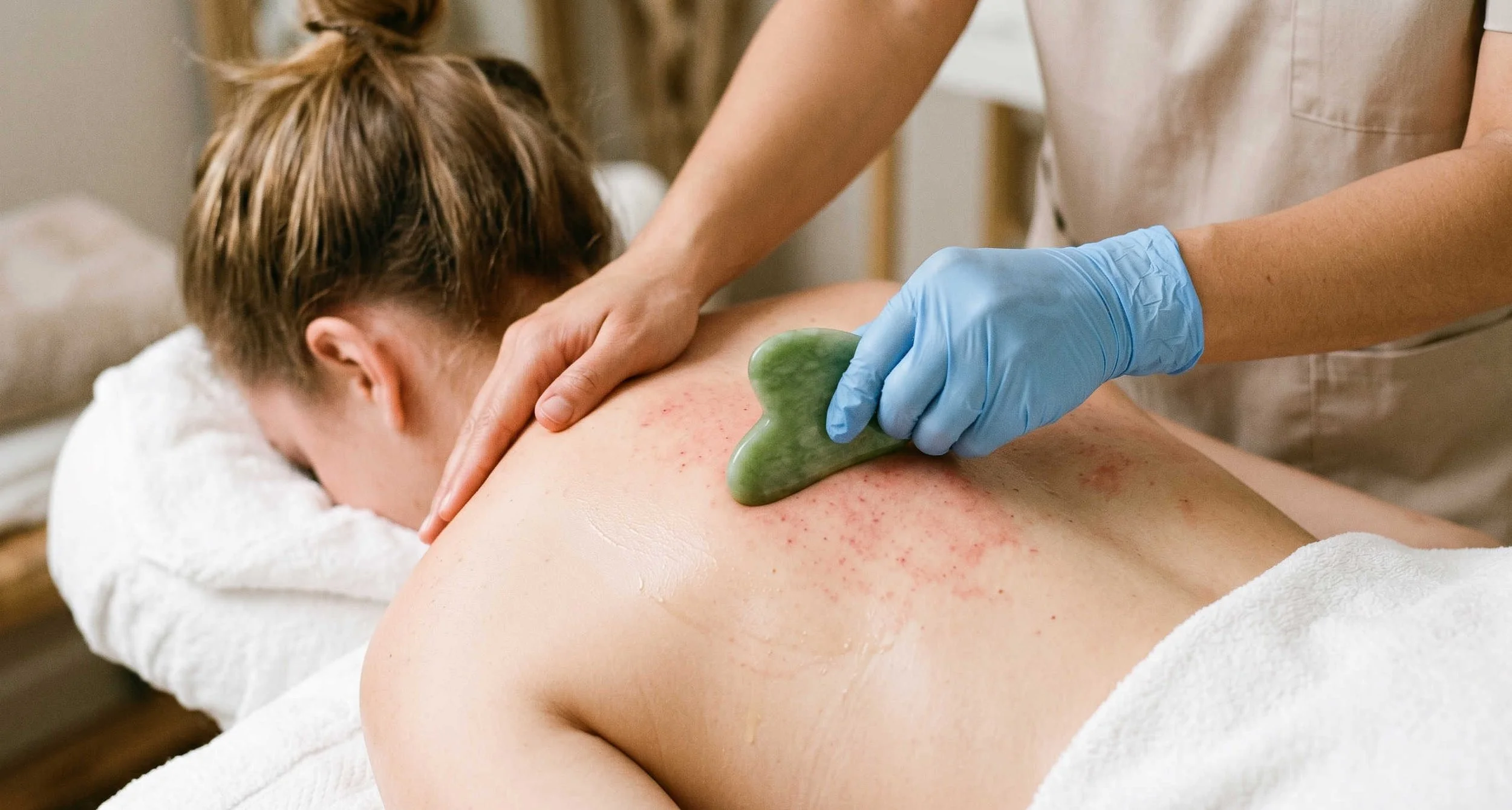
Oil is applied to the skin
A smooth tool is used to gently glide over tight areas
Treatment usually lasts a few minutes per area
Some redness, marks or bruising may appear temporarily
Many patients notice the treated area feeling looser and less painful shortly afterwards.
Gua Sha FAQ’s
-
Gua Sha is usually applied with firm but controlled pressure.
Most people describe the sensation as similar to a deep massage or muscle release.
Areas that are very tight or inflamed may feel more intense during treatment, but the technique is generally well tolerated.
-
The temporary marks that sometimes appear after Gua Sha are caused by increased circulation in the treated area.
If there is a lot of knotting in muscles then some bruising may be present for a few days after treatment before fading.
These marks as part of the therapeutic response of the body.
-
Many people feel immediate relief from muscular tightness after treatment.
The duration of benefit varies depending on the condition being treated, but Gua Sha is often used as part of a course of acupuncture treatments to support longer-term improvement.